Learning on Country with Respect, Connection, and Purpose
Outdoor education offers more than physical challenge or adventure. It creates a powerful space for students to connect with the values, knowledge, and deep cultural history of Australia’s First Nations peoples.
For over 65,000 years, Aboriginal and Torres Strait Islander communities have lived in close relationship with the land, waters, and skies. Their enduring connection to Country is woven through stories, language, land management practices, and ways of learning. At Bindaree, we believe outdoor education is uniquely placed to honour and integrate these perspectives in respectful and meaningful ways.
Our Approach
We are committed to walking alongside Indigenous communities to deliver culturally safe and inclusive programs. Our aim is not to speak for Traditional Custodians, but to create space for students to learn from them directly, where appropriate.
Learning through experience is at the heart of outdoor education. This aligns closely with Indigenous approaches that are place-based, hands-on, and rooted in relationships with Country, with Elders, and with each other.
Where possible, we collaborate with Indigenous educators or community members to offer guided learning experiences that deepen student understanding of culture and Country.
Learning Experiences May Include
Bush Skills and Traditional Knowledge
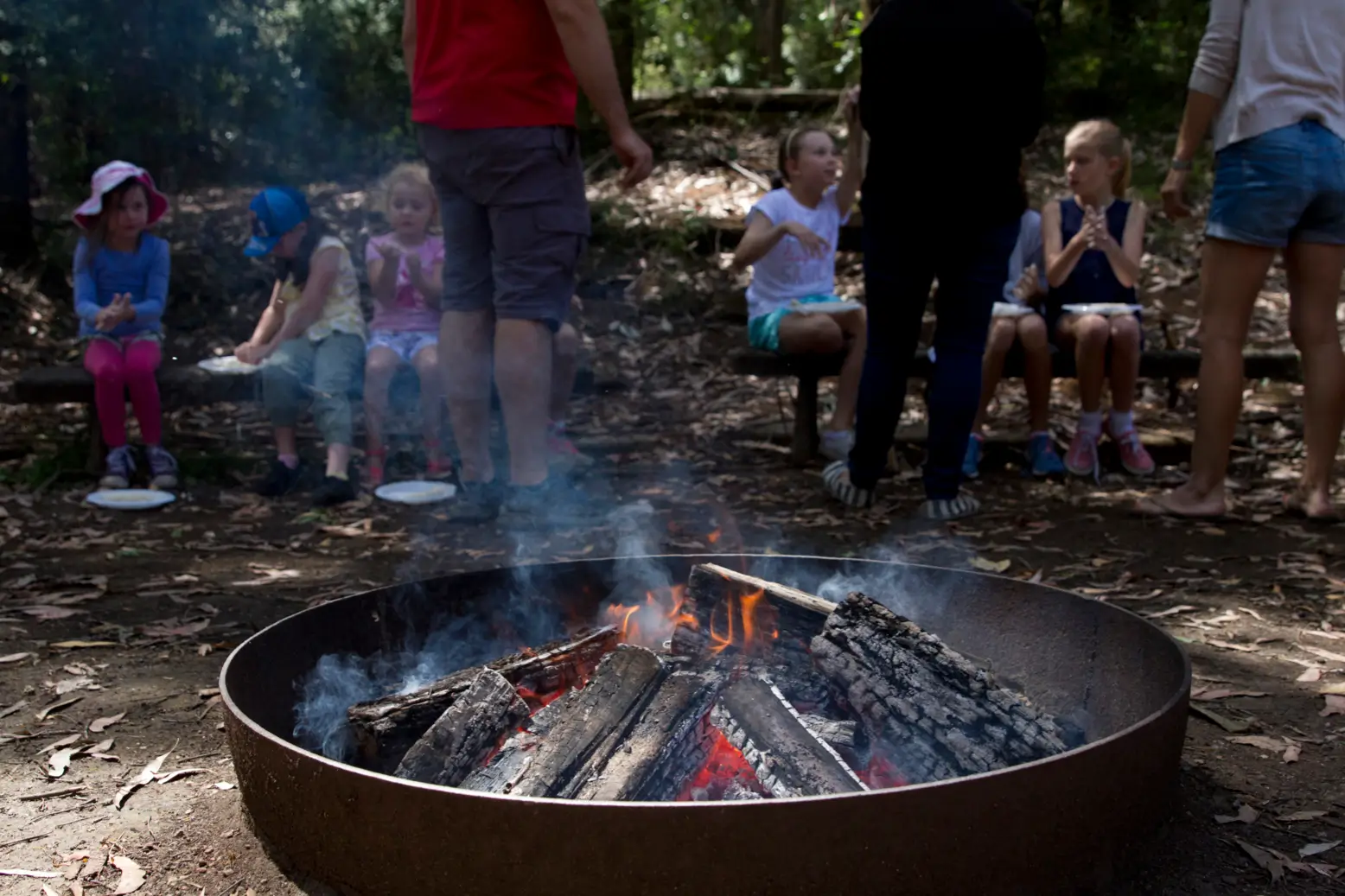
Learn about traditional tools, fire-starting, bush tucker, and the role of stories in passing down knowledge.
Cultural Craft and Art
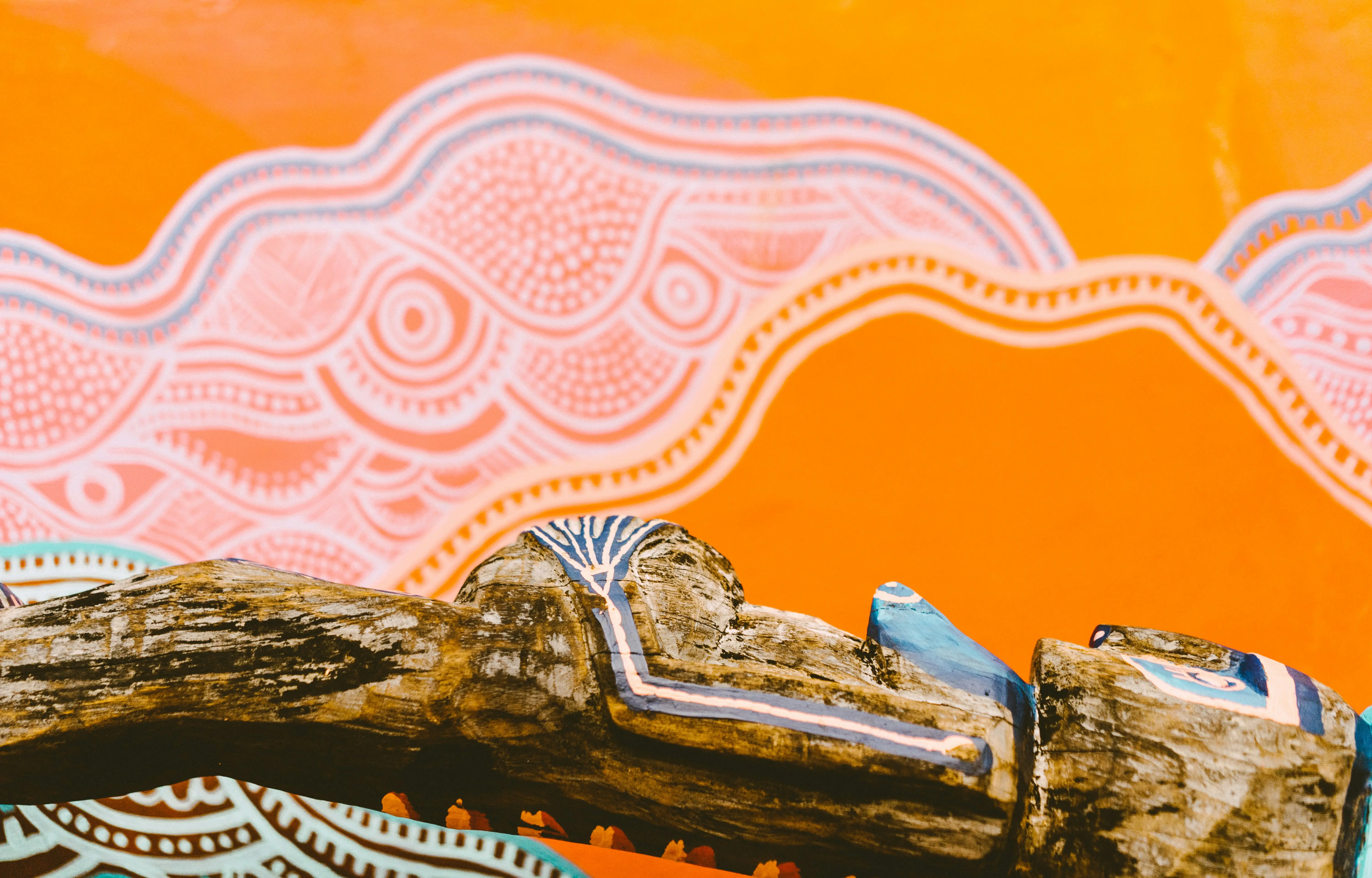
Engage in hands-on learning through weaving, painting, or traditional design, guided by community members.
Learning from Elders and Custodians
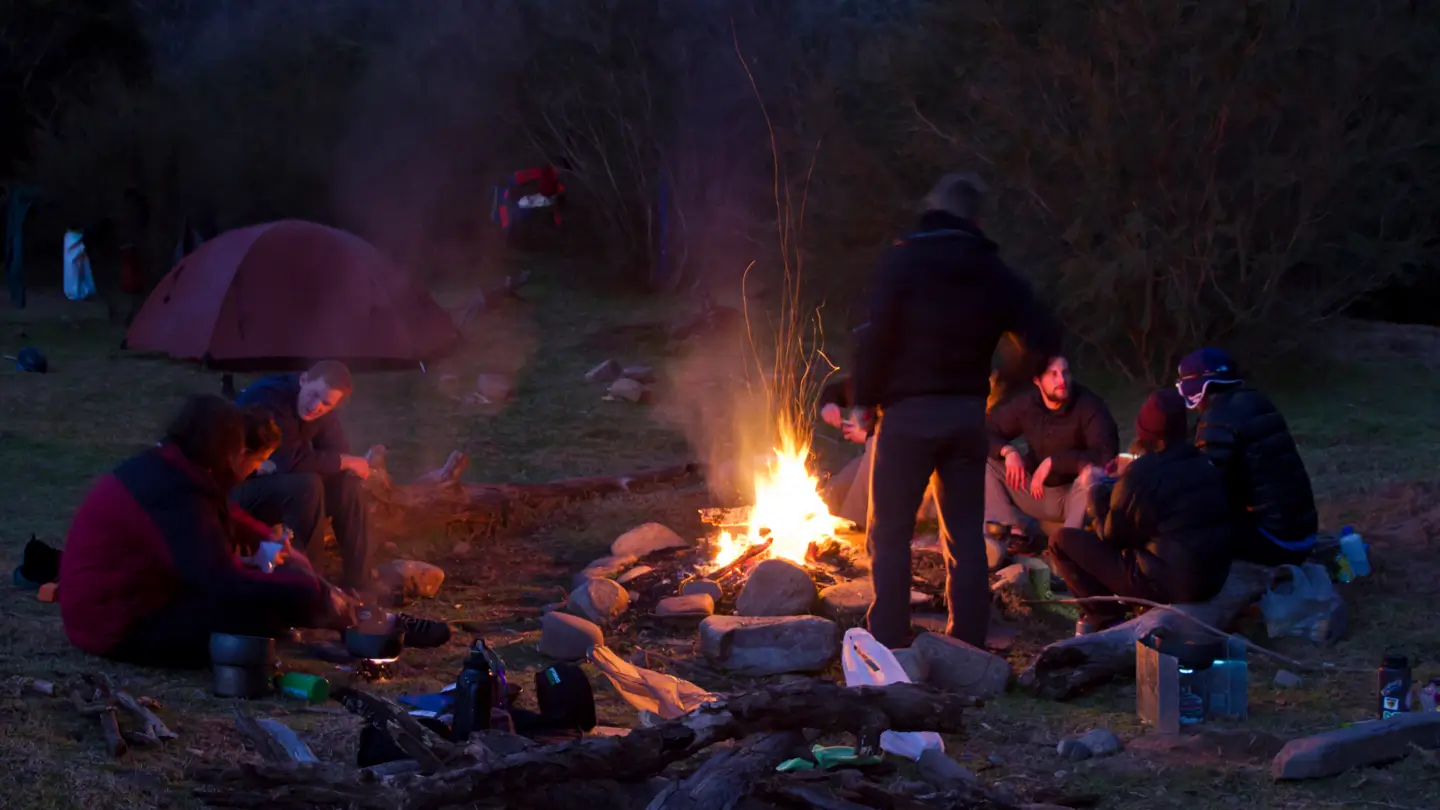
Participate in yarning circles or guided walks that explore the significance of land, language, and law.
Seasonal Knowledge and Land Management
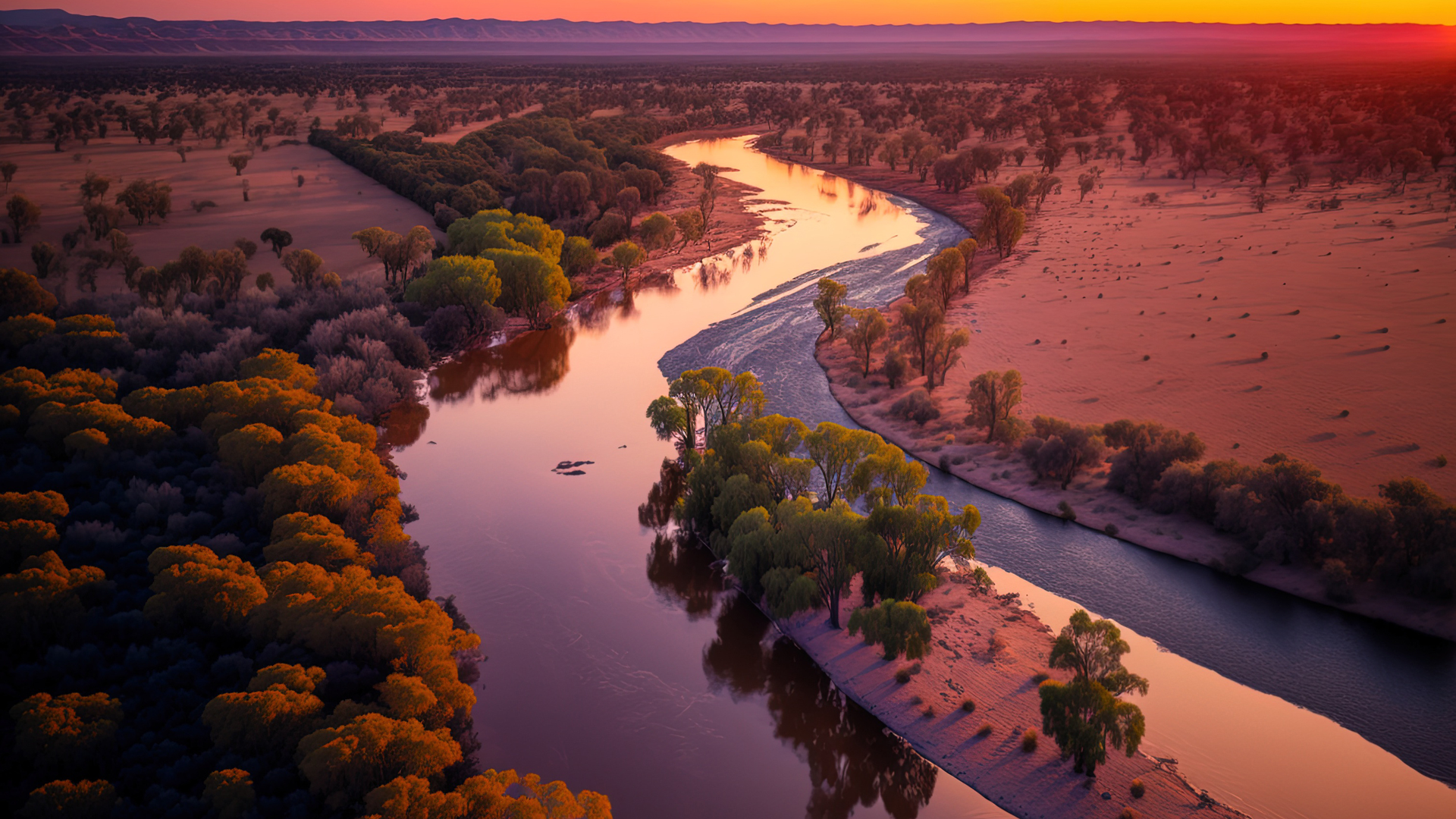
Understand how Aboriginal knowledge systems guide seasonal living, sustainable practices, and fire management.
Caring for Country
.webp)
Develop a sense of responsibility and respect for the environment by seeing it through the lens of Indigenous values.
Why It Matters
Integrating Indigenous perspectives into outdoor education:
- Enriches student learning with cultural depth and context
- Encourages respect, empathy, and open-mindedness
- Helps preserve and pass on First Nations knowledge systems
- Supports the cross-curriculum priority of Aboriginal and Torres Strait Islander Histories and Cultures
- Builds stronger relationships between schools and communities
Through these experiences, students develop a more grounded understanding of their place in the world — not only as individuals, but as part of a shared landscape with shared responsibilities.